
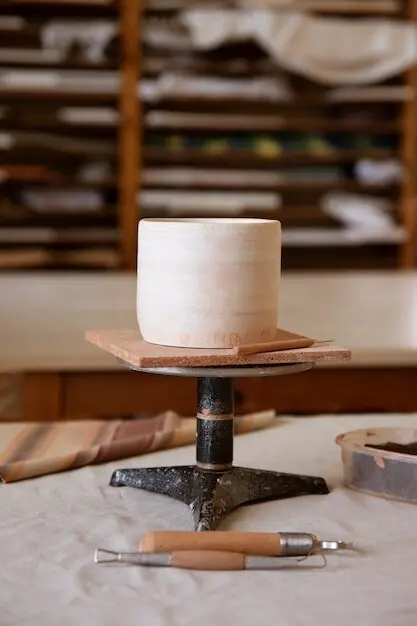
Set Out for Alpine Slowcraft Adventures

Today we set our compass toward Alpine Slowcraft Adventures, where high valleys, patient hands, and timeworn tools weave journeys as memorable as summits. Expect the silence of snow, the scent of stone pine, bells drifting across meadows, and artisans whose work welcomes your curiosity. We will walk, watch, learn, and make, letting the mountains dictate our pace while stories gather in our packs like warm bread wrapped in linen.

From Peak to Workbench: Moving at the Mountain’s Pace

The Alps teach slowness with every switchback and wooden door that opens only after a shared greeting. Here, craft is not rushed; it unfolds like weather, patient and precise. By following the rhythm of footsteps instead of timetables, you discover how making becomes an exploration, how hospitality shapes technique, and how the sound of a chisel or spindle can anchor a memory more firmly than any postcard ever could.

Materials Shaped by Altitude and Weather

Stone Pine, Larch, and the Aroma of Patience

Open a chest of rough-hewn boards and the room fills with stone pine’s calming scent, believed by many Alpine families to soothe sleep and keep dreams gentle. Carvers cherish its fine grain; joiners respect larch for weather-hard exteriors. When you plane a board beside an open window, shavings curl like wooden ribbons, and the view teaches restraint: follow the grain, accept knots, celebrate subtle color shifts born from long winters.

Wool From High Pastures, Dyes From Meadows and Bark

Spring shearing brings bags of sturdy fleece, best washed in cool running water and carded beside a conversation. Natural dyes—larch cones, walnut hulls, onion skins, indigo vats carried like treasure—build palettes reminiscent of storm skies and gentian blossoms. Spinners speak of twist memory, weavers of selvedge courage. Your scarf becomes a walking map: ridge-gray, meadow-gold, glacier-blue, a wearable chronicle of winds, paths, and songs.

Steel Forged with River Patience

In a valley forge, river-cooled anvils ring bright while sparks drift like constellations. Blacksmiths temper chisels and knives that favor longevity over sheen, teaching how proper weight replaces effort and a sharp edge reduces waste. You learn to oil tools with the same care used for boots and ropes. Good steel is a companion, not a trophy, and it invites decades of measured, respectful work.

Villages of Makers: Encounters Along Quiet Paths

Beyond famous resorts, small villages keep traditions humming beneath geranium balconies and weathered shingles. Workshops hide behind hand-painted signs, doors open with a bell jingle, and apprentices sweep sawdust into patterns as pretty as lace. Meeting makers where they live reveals generosity and stubborn pride, a balance of preservation and playful innovation. These encounters transform purchases into partnerships and souvenirs into objects with names, places, and shared laughter threaded through them.

Learning by Doing: Workshops Above the Tree Line
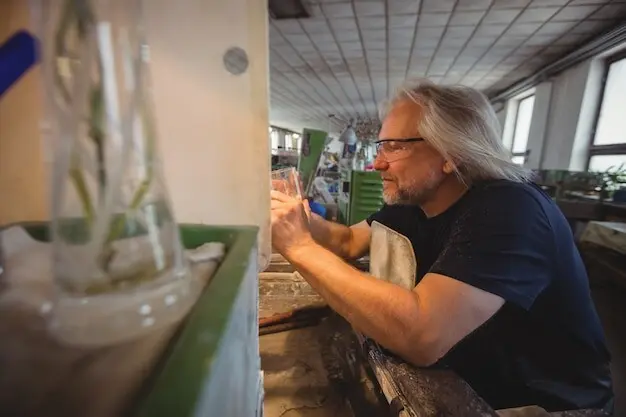
Hands-on days translate admiration into skill. Whether stirring curds in a copper cauldron, shaping a spoon by the hut’s stove, or felting soles warm enough for creaking floorboards, mountain classrooms prioritize safety, slowness, and observation. Instructors model patience with weather and students alike. Mistakes become maps, not verdicts, and breaks with bread and elderflower syrup feel essential to learning. You leave with technique, yes, but also courage to begin again.

Rails, Paths, and the Beauty of Unhurried Transfers
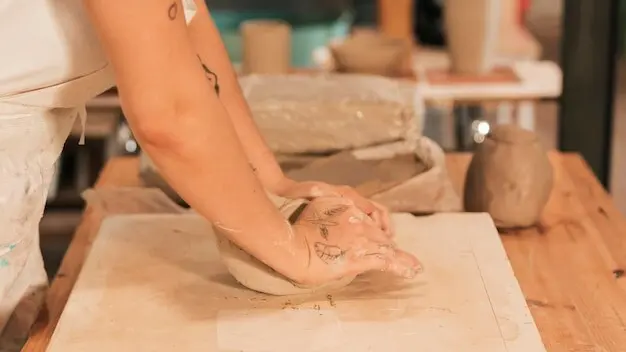
Build an itinerary that privileges scenic trains, local buses, and the kindness of walking. The Bernina line gifts glacier views before dropping into craft-rich valleys; mountain paths connect hamlets where makers welcome unexpected knocks. Choose fewer bases and deeper stays, letting weather reroute plans into discoveries. Comfortable boots, a thermos, and curiosity beat any checklist, and timetables become allies rather than tyrants when you refuse to rush.

Packing Tools and Respect for Borders

Travel light yet prepared: a compact notebook, measuring tape, finger guard, and a pencil sharpener outperform bulky kits. Research customs rules for blades and materials, mailing purchases when needed. Wrap tools separately, label clearly, and carry copies of workshop confirmations. More important than objects is attitude—ask before photographing, purchase fairly, and credit teachers by name. Your bag holds not just souvenirs, but trust you’ve earned through care.

Budgeting Time Like a Craftsperson

Allocate wide margins the way a carver leaves extra wood before the final pass. Reserve whole days for a single workshop or visit, with evenings free for notes, sketches, and small experiments. Accept that weather, festivals, or a neighbor’s story may reshape plans. Invest in local stays that include breakfasts and shared tables, where insight arrives between coffee refills and evening bells, enriching your understanding beyond any scheduled lesson.

Host a Small Show-and-Tell Night

Gather friends around a table dressed with your new spoon, a slice of Alpine cheese, and photos of friendly workshops. Tell the story of a mistake you celebrated, the smell that guided you, and the person who showed you a safer grip. Encourage questions, share resources, and invite others to try a simple technique. Community grows not by perfection, but by brave, imperfect beginnings offered with warmth.

Subscribe, Comment, and Keep the Conversation Warm
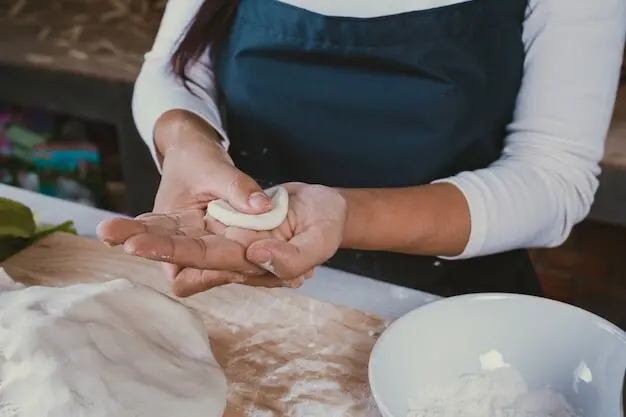
Stay connected by subscribing for future trail notes, workshop leads, and seasonal material guides. Leave comments telling where you’re headed, what you’ve made, or which valley’s bells still ring in your memory. Ask for introductions, share travel tips, and swap dye recipes. Your voice helps map the next journey for others, turning solitary experiments into a chorus of steady, encouraging hands across mountains and time zones.

Buy With Care, Repair With Pride

Choose pieces that reveal the maker’s touch, then maintain them like friendships. Oil wood, darn wool, sharpen steel, and document provenance so stories travel with objects. When something breaks, repair becomes an act of respect rather than inconvenience. Support cooperatives, pay fairly, and prioritize sustainable materials. In doing so, you transform consumption into participation, ensuring that workshops keep glowing long after your bootprints fade from the path.
Zentosirapento
Privacy Overview

This website uses cookies so that we can provide you with the best user experience possible. Cookie information is stored in your browser and performs functions such as recognising you when you return to our website and helping our team to understand which sections of the website you find most interesting and useful.