
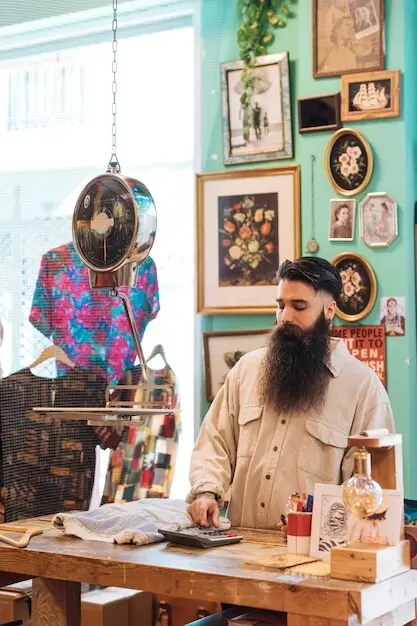
Handmade Paths Through Alpine Peaks
Roots In The Mountains: Why Local Matters

Elders As Living Archives
Circular Economies On Foot
Respect Before Revenue
Getting There The Low-Impact Way
Rail Lines That Feel Like Storybooks
Packing Light, Supporting Right
Inside The Workshop Door
Woodturning With Storm-Fallen Larch
In some valleys, artisans salvage larch and spruce downed by fierce storms, transforming disruption into bowls that record rings like diary entries. You learn to read grain, anchor gouges, and respect knots. The finished vessel carries wind, patience, and careful drying, proof that resilience can be spun from upheaval when communities steward forests and visitors value materials rooted in honest recovery.
Natural Dyes Brewing Like Tea
Walnut hulls, madder roots, alpine flowers, and onion skins simmer into earthy palettes that echo meadow light and forest shade. You mind the water’s temperature, stir with wooden spoons, and let cloth steep without rush. Each rinse reveals tones that prefer sunlight to chemicals, lending scarves, socks, and shawls a depth that feels alive, weathered kindly, and endlessly wearable throughout seasons.
Cheesecloth, Copper, And Quiet Patience
Stand near a copper cauldron and watch milk transform, guided by gestures tuned across generations. Curds rise, pressed with cloth woven a village away, then rest in cellars cut from stone. Tastings become lessons in time and microclimate. Buying a wheel supports pasture care, animal welfare, and the subtle artistry that lets landscape speak through texture, aroma, and lingering sweetness.
Stories From The Trail
Pricing That Honors Labor, Not Bargains
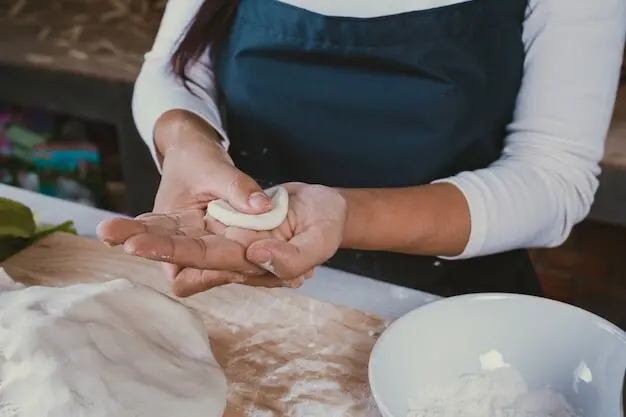
Before asking for a discount, count the hours in design, skill-building, material sourcing, studio rent, and community contributions. Sustainable craft cannot survive on applause alone. Paying the asked price funds apprenticeships, repairs equipment, and keeps workshops open in winter. Let gratitude guide your wallet, remembering that value grows with provenance, mentorship, and the rare pleasure of shaking the maker’s hand.
Cameras Down, Conversations Up
Photographs can celebrate or extract. Always request consent, credit artisans by name, and avoid revealing private spaces or techniques considered intimate. Ask what story your image tells—and for whom. Sometimes the most respectful choice is to pocket the phone, meet someone’s eyes, and learn a song, stitch, or spice blend that lingers longer than any perfectly framed snapshot ever could.
Leave Traces Of Gratitude, Not Waste
Carry your cup, sort recycling carefully, and return packaging for reuse if invited. Choose durable items over trinkets, and offer feedback that uplifts without demanding change for convenience. Tip fairly, share workshop links, and plant a tree through local projects if flights were unavoidable. Let your presence enrich soils of trust, culture, and ecology rather than deplete them quietly and permanently.
Plan Your Community Craft Journey
Make A Map Of Skills, Not Just Sights
List valley by valley: woodturners, glassblowers, wool spinners, basket makers, bakers. Plot train stops and trails, then call ahead to align with classes, seasonal work, and village fairs. A map organized by techniques reveals synergies—dyers near spinners, herb gardens near kitchens—allowing one purchase or lesson to echo into another, creating continuity rather than disjointed, hurried visits.
Join, Don’t Consume
Ask how you can help: wind yarn, stir dye, tidy benches, or translate a sign respectfully. Participation turns spectators into allies and yields insights money cannot buy. Small group sizes invite mentoring and laughter, while leaving artisans energetic for tomorrow. Remember to pause, write notes, and thank by name, because acknowledgment costs little and travels far within tight-knit valleys.
Share Back, Sustain Forward
When you return home, publish a mindful trip report crediting makers, link to their shops, and mail prints of your favorite candid portraits if permission was granted. Subscribe for workshop updates, commission repairs instead of replacements, and gift classes to friends. These gestures stretch one journey into a network of support that strengthens communities through seasons, storms, and celebrations alike.
All Rights Reserved.